Double vs Triple Glazing: EPC Uplift, Passivhaus Spec, and UK Price Delta

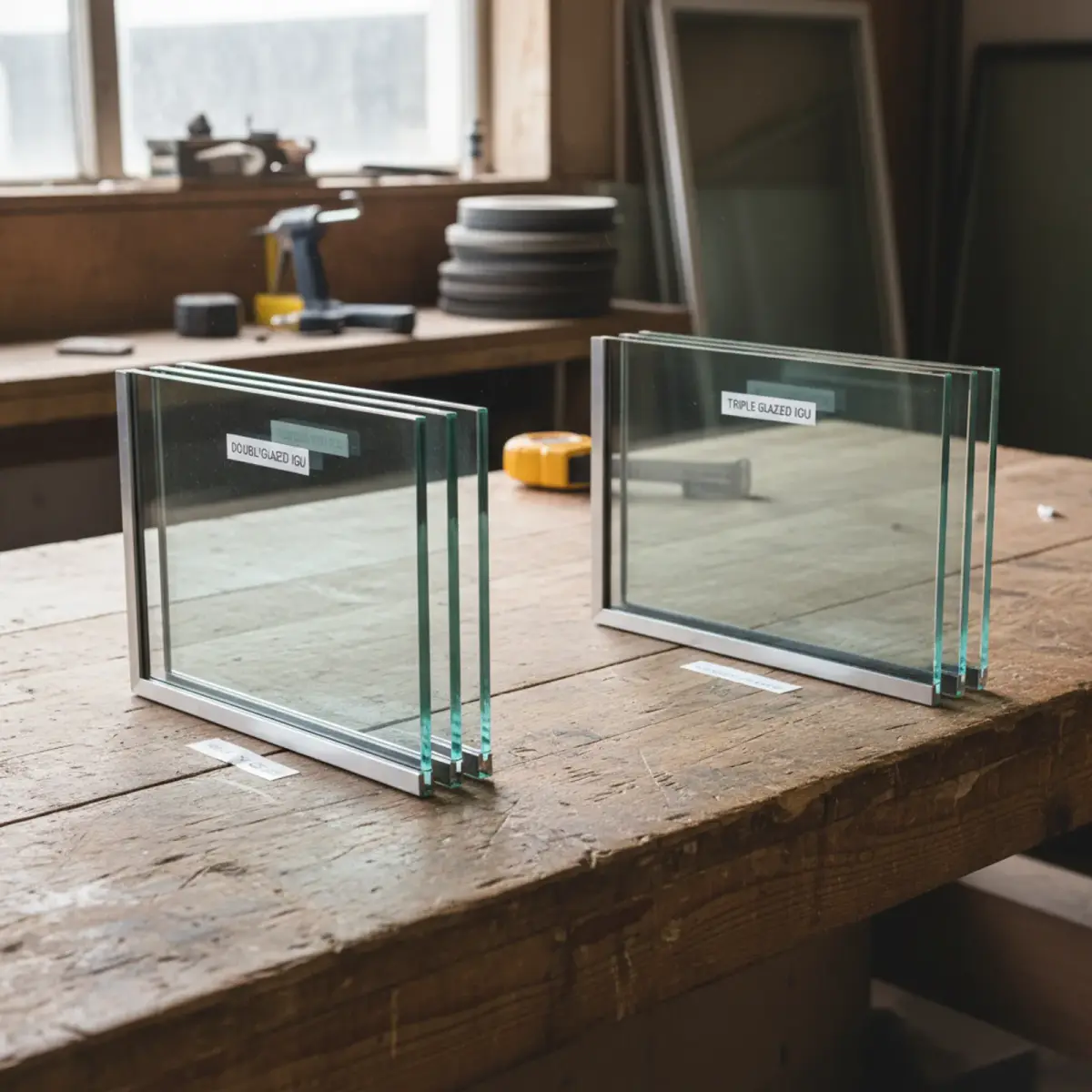
Triple glazing costs 20% to 30% more than double. The annual energy saving over A-rated double glazing is roughly £20 to £40. At that rate, the upgrade pays back in somewhere between 15 and 40 years — which is why most UK installers don’t push it, and why the homeowners who buy it are almost always doing it for comfort and acoustics rather than payback.
That is not the answer the quote-form sites give you. The honest case for triple glazing is a different argument entirely.
The Price Delta: Double vs Triple
In the current UK market, triple glazing carries a price premium of 20% to 30% over equivalent double glazing.
| Glazing Type | Approx. Unit Price (uPVC) | U-Value Range | Primary Benefit |
|---|---|---|---|
| Double Glazing | £600 – £1,200 | 1.2 – 1.6 W/m²K | Cost-effective heat retention |
| Triple Glazing | £800 – £1,500 | 0.8 – 1.0 W/m²K | Extreme thermal / Acoustic isolation |
The EPC Uplift: How It Works
The Energy Performance Certificate (EPC) measures your property’s energy demand. Glazing affects the “Thermal Fabric” component.
Replacing old windows with A+ double glazing can move a property from Band E to Band D. Triple glazing gives a further uplift, though the marginal gain is smaller. The real case for triple glazing is not the EPC band — it is comfort. Triple glazing cuts the cold-spot effect near windows significantly, removing the draught that persists in many double-glazed rooms.
We pulled the full DCLG domestic EPC dataset — 23.1 million certificates — and calculated the average band uplift per glazing type. Triple glazing’s average is 1.44 bands, compared to 1.77 for pre-2002 double glazing and 1.93 for secondary glazing. The counterintuitive ranking explains why headline EPC numbers favour the older glazing types: see EPC band uplift by glazing type for the full evidence base.
The Passivhaus Spec: U $\le$ 0.80
For those building to the Passivhaus standard, double glazing is rarely sufficient. The target is often a total window U-value of $\le$ 0.80 W/m²K.
Achieving this requires more than just three panes of glass. It requires:
- Warm-Edge Spacers: Replacing aluminium spacers with composite materials to stop “cold bridging” at the glass edge.
- Krypton or Argon Fill: Noble gases that have lower thermal conductivity than air.
- Thermally Broken Frames: Frames (often engineered timber or high-end aluminium) that prevent heat from escaping through the structure itself.
Acoustic Performance: The Hidden Win
The thermal argument for triple glazing has its sceptics; the acoustic argument does not. Acoustic laminated glass — such as Pilkington Optiphon™ — fitted within a triple-glazed unit creates a strong barrier against road and air traffic noise. Decoupling the panes with different thicknesses prevents resonance, making triple glazing the best choice for homes near airports or busy arterial roads.
Acoustic performance is measured in decibels (dB). A standard double-glazed unit typically provides around 30–35 dB of noise reduction. Adding an acoustic laminate to the outer pane pushes this to 38–42 dB. Triple glazing with acoustic laminated glass achieves 40–45 dB, which is the difference between hearing a conversation clearly through the window and hearing only a muffled murmur.
Frequently Asked Questions
Is triple glazing worth it for a south-facing room? On south-facing elevations, the solar gain through triple glazing may actually be less than through double glazing, because the extra pane absorbs a small amount of light energy. If you have a south-facing room that you use primarily in winter, double glazing with Low-E coatings may provide a better net energy balance.
How much heavier is triple glazing? A triple-glazed unit is approximately 30–40% heavier than a double-glazed unit of the same size. This has implications for the frame: the hinges, locks, and sash must be rated for the additional weight, and the opener mechanism may need upgrading.
Does triple glazing reduce condensation? Yes. The inner pane of a triple-glazed window is significantly warmer than the inner pane of double glazing, which reduces the temperature differential that causes condensation. In bedrooms and bathrooms, this can effectively eliminate window condensation during winter months.
Real-World Payback: The Numbers
A typical UK semi-detached home replacing old single glazing with A-rated double glazing can expect annual energy bill savings of £120–£165, according to the Energy Saving Trust. Upgrading further to triple glazing adds perhaps £20–£40 per year in savings — a modest sum that explains the dominance of double glazing.
However, the payback calculation changes when you factor in:
- EPC uplift: Moving from Band E to Band D can increase property value by an estimated 6–14%, per the UK Government’s own research. Triple glazing can sometimes push a property to Band C, unlocking green mortgage rates that are 0.2–0.5% lower than standard deals.
- Condensation elimination: Triple glazing virtually eliminates internal condensation on bedroom windows, reducing mould risk and associated health costs.
- Comfort premium: Rooms with triple-glazed windows have no discernible cold zone near the glass. This is difficult to quantify financially but has a measurable impact on quality of life, particularly in north-facing bedrooms and home offices.
Regional Considerations
The case for triple glazing is not uniform across the UK. Climate data from the Met Office shows significant variation in heating degree days:
- Scotland and Northern England: Colder winters and longer heating seasons make triple glazing more compelling. In exposed rural locations, the comfort gain alone justifies the 20–30% premium.
- South East and Southern England: Milder winters mean double glazing is often sufficient for thermal comfort. Triple glazing is harder to justify on purely financial grounds, though acoustic benefits may still apply.
- Wales and South West: Coastal properties benefit from acoustic triple glazing to block wind and sea noise, even if thermal gains are marginal.
Common Mistakes to Avoid
- Retrofitting triple glazing into old frames: Triple-glazed units exceed the weight rating of most double-glazed frames. Sagging sashes and failed seals within 3–5 years are the predictable result.
- Ignoring solar gain: South-facing windows with triple glazing and low-iron glass can let in more useful solar heat than they lose, producing a net energy gain. North-facing triple glazing is a purely heat-retention measure. Treating all orientations the same misallocates the budget.
- Over-specifying for the climate: Passivhaus-grade triple glazing in a standard UK build is generally excessive. Walls, roof, and floor are usually the dominant heat-loss paths. Spend the budget on insulation first, then upgrade the glazing.
- Forgetting ventilation: Older homes rely on air leakage for background ventilation. Triple-glazing every opening means adding trickle vents or mechanical ventilation to maintain healthy indoor air quality.
What most guides miss: The Weight Problem
The most common failure in triple glazing installations is not the glass — it is the hardware. Triple-glazed units are significantly heavier than double.
Retrofit triple glazing into a frame designed for double and the sashes will sag. This causes binding (the window becomes hard to open) or, worse, seal failure because the frame is no longer square. Always confirm your frames are rated for triple-pane weight before specifying the upgrade.
For properties that are Unmortgageable due to severe energy inefficiency or structural decay, pairing high-performance glazing with IWantSolar PV can shift a home from liability to asset. Cutting heat loss with ≤ 0.80 W/m²K windows means the energy from solar panels goes further into the night.
Which Should You Choose?
- Standard Retrofit: A++ double glazing. It gives the best return for 90% of UK homes.
- North-Facing Rooms and Bedrooms: Triple glazing. The comfort gain justifies the 20% price premium.
- Passivhaus or Eco-Builds: Triple glazing with warm-edge spacers and high-performance frames.
- High-Noise Locations: Triple glazing with acoustic interlayers.
Frequently Asked Questions
Does triple glazing make a room darker? The difference in visible light transmission between double and triple glazing is minimal—typically less than 5%. Modern low-iron glass options virtually eliminate any noticeable reduction in brightness. The primary trade-off is weight and cost, not light.
Is triple glazing harder to open? It depends on the hardware. If the frames are designed for triple-glazed units, the opening mechanism will be appropriately rated for the weight. The problems arise when retrofitting triple glazing into frames designed for double—the additional weight causes sashes to sag and handles to feel stiff.
How much heavier is a triple-glazed unit? A triple-glazed unit is approximately 30–40% heavier than a double-glazed unit of the same size. This has implications for the frame: the hinges, locks, and sash must be rated for the additional weight, and the opener mechanism may need upgrading.
Back to all cost guides or home.